
Non-standard elevated substation and flood resilience
Design development for a high-power EV charging infrastructure scheme at Booths Keswick.


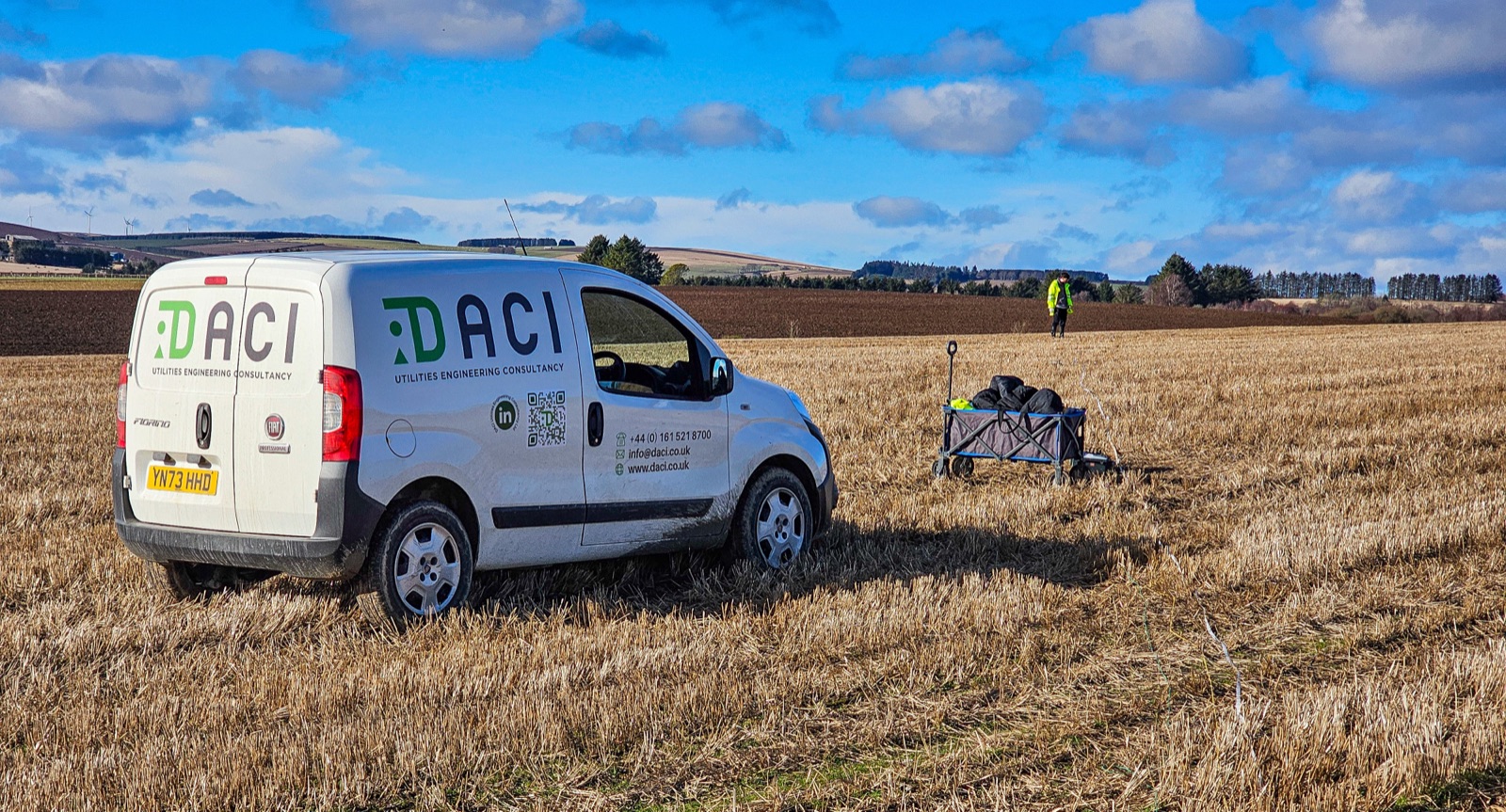
Design development for a high-power EV charging infrastructure scheme at Booths Keswick. The project required a non-standard elevated substation arrangement to respond to site constraints and flood-risk requirements while maintaining ENWL adoption standards. Multiple design revisions were required to address enclosure suitability, platform safety, access arrangements, earthing compliance and flood resilience before approval could be progressed.


The design was reviewed and refined through technical engagement with ENWL to develop a compliant non-standard arrangement capable of satisfying operational and adoption requirements.
An elevated substation arrangement was developed to improve resilience against flooding while maintaining utility compliance. The raised arrangement supported asset protection and long-term operation within the constrained site.
The platform, access and safety details were revised through design review to address comments while maintaining the flood-resilient substation approach and overall project objectives.
Network data was used to support the earthing study, revised earthing information was submitted, and the approval position was managed through continued communication with ENWL and the project team.
The final design delivered a compliant and flood-resilient EV charging infrastructure solution through the successful adoption of a non-standard elevated substation arrangement. The project progressed from an initial design rejection to approval by addressing enclosure suitability, flood-risk mitigation, platform safety, access requirements and earthing compliance. The resulting solution enabled the EV charging development while satisfying ENWL requirements for safety, resilience and network compliance. The scheme provides a strong competition example because it demonstrates practical engineering problem-solving beyond a conventional EV charger installation.
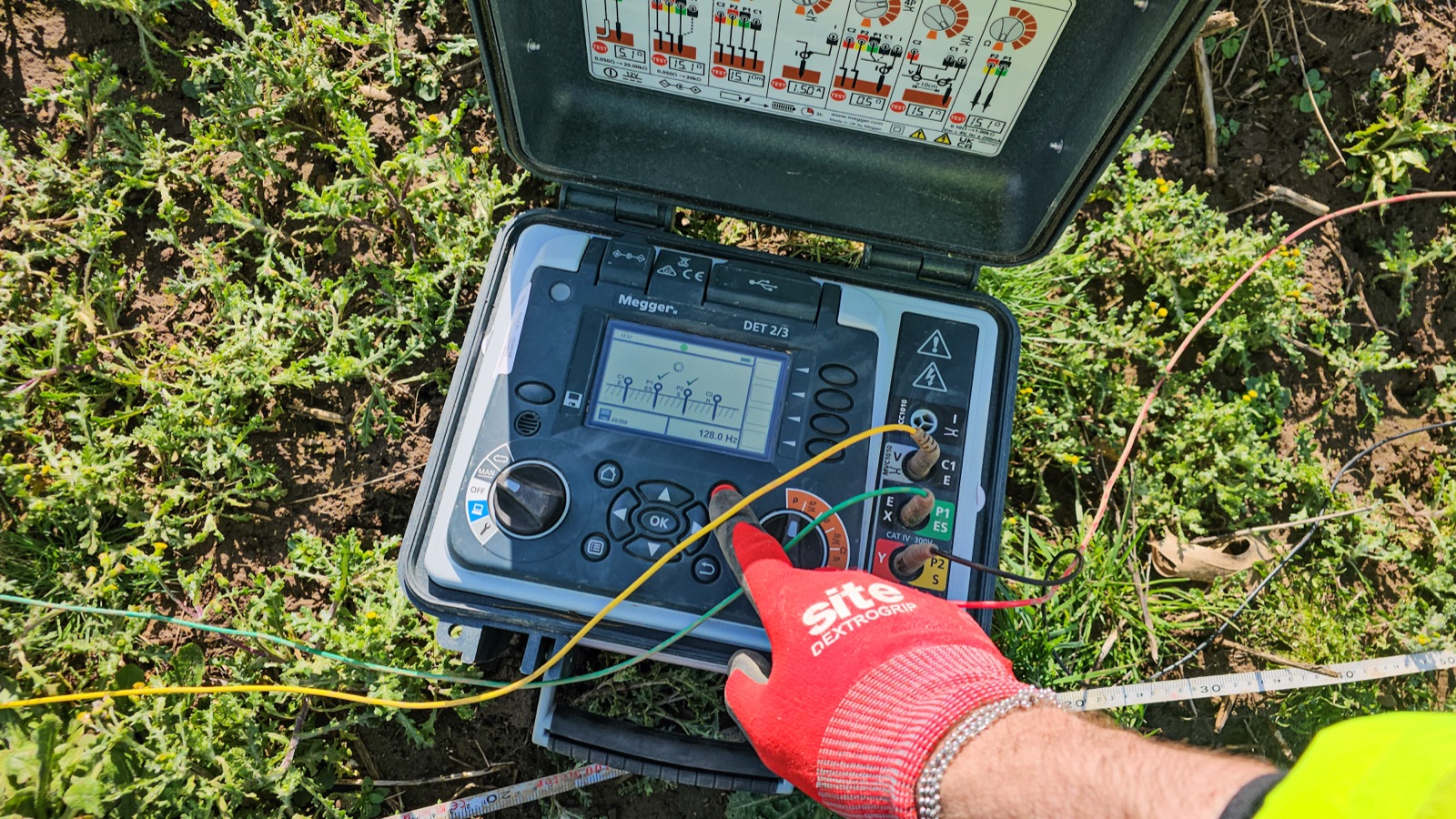
Design coordination for a microgrid site that initially came in as a HV metered scheme.
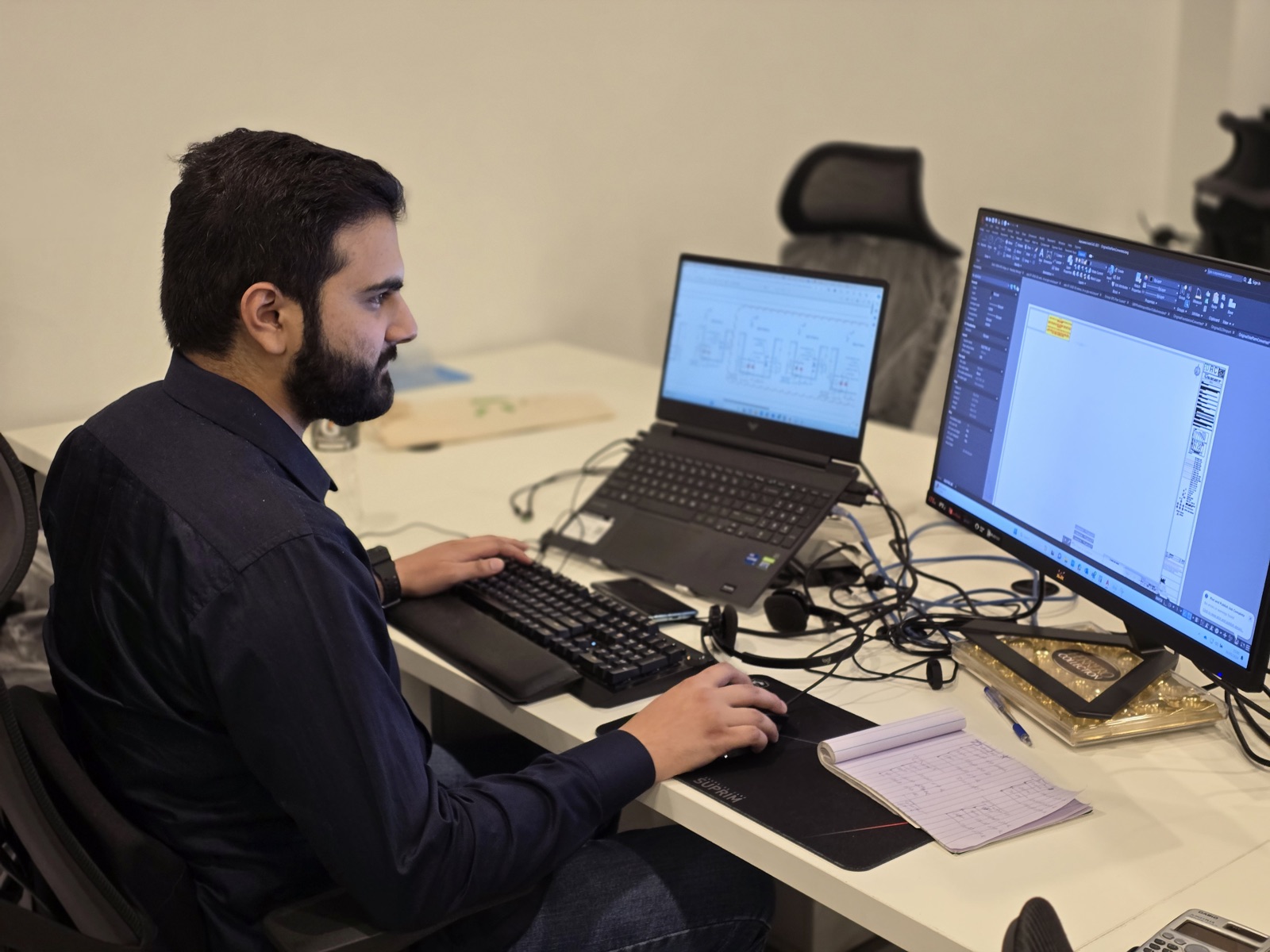
Design development for a high-capacity EV bus depot charging scheme at Merton Bus Garage, London.
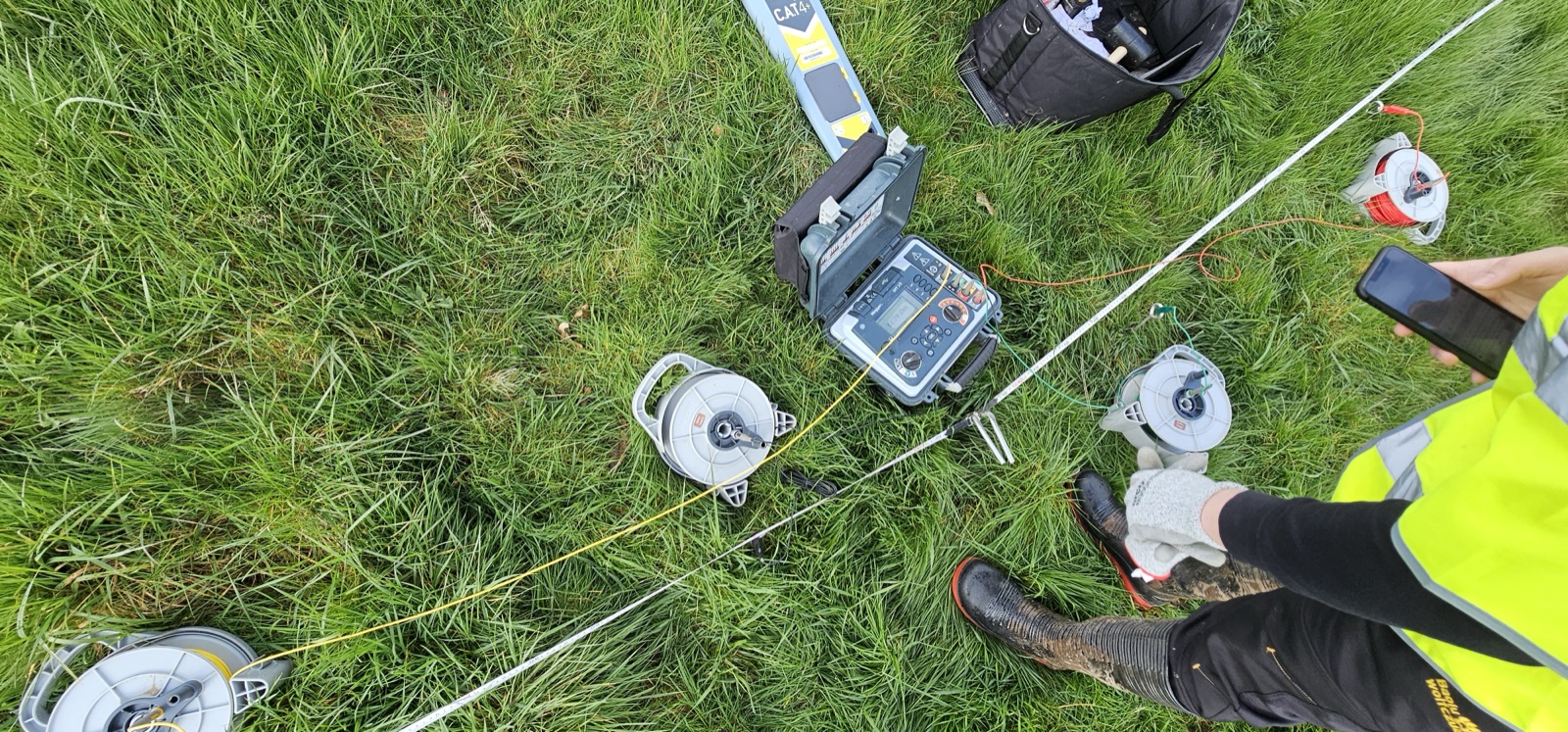
Design of a capacity-constrained EV charging scheme where the proposed charging infrastructure required significantly more power than the available network capacity.
Let's Collaborate deliver resilient, future ready solutions.